Independent protective-footwear field guide

Find steel toe shoes built for your shift.

Start with the job, fit, and movement—not a wall of lookalike shoes. Our collection paths keep verified steel-toe construction at the center.

  • 224 exact Amazon listings
  • 22 focused collections
  • No copied prices
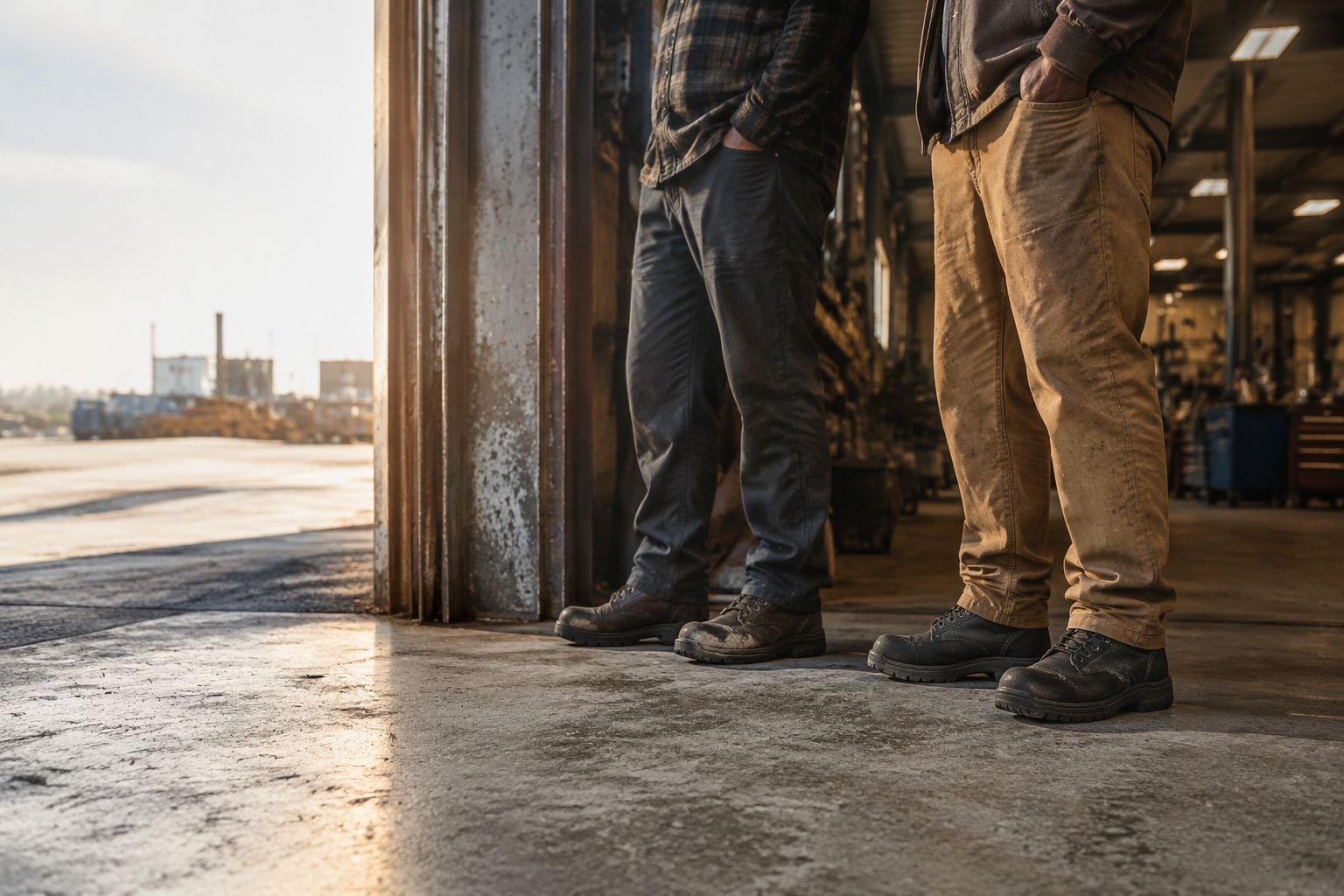
Two workers wearing rugged protective work footwear at an industrial workshop entrance
Hazard first. Fit second. Features third.

60-second work-shoe finder

Match the shoe to the shift.

3 decisions
Choose all three answers to see three focused starting points.

Affiliate disclosure: As an Amazon Associate, we may earn from qualifying purchases. Product images and links are published only after the exact ASIN, title, image, and tracking tag are verified together.

Complete Amazon-verified catalog

92 steel toe shoes to compare

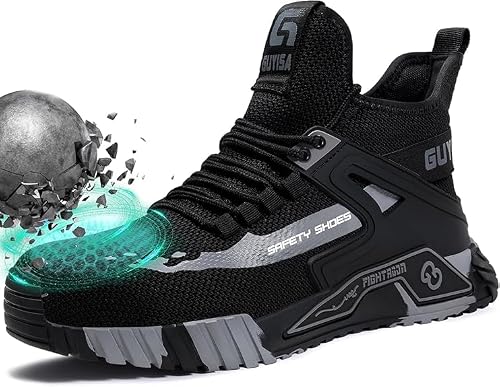
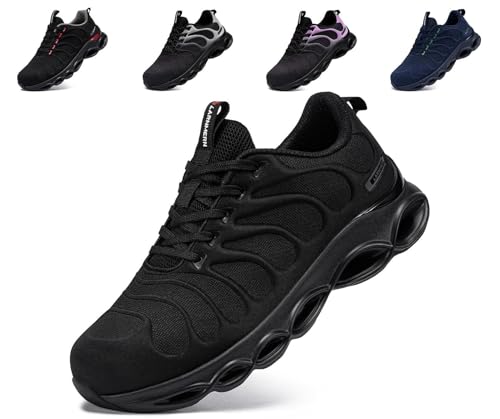
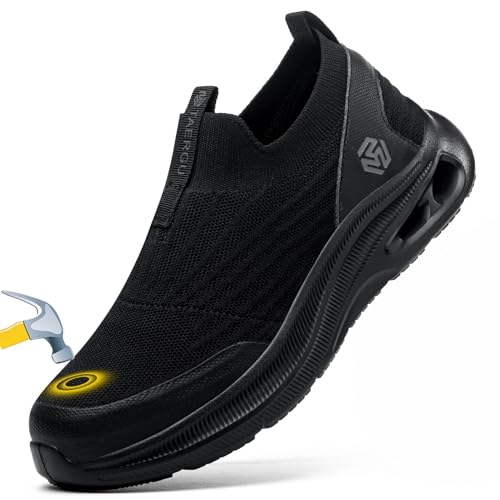
Every card uses the exact Amazon listing title, ASIN, primary image, and a destination tagged with steeltoeshoes51-20. Prices stay on Amazon because they change.

Start broad, then get specific

Shop by the way you work.

Each collection owns one clear search intent and is supported by fit, comparison, and safety guides.

View all 22 focused collections
Steel Toe BootsMen’s Steel Toe ShoesWomen’s Steel Toe ShoesSteel Toe SneakersWomen’s Steel Toe SneakersMen’s Steel Toe BootsWaterproof Steel Toe BootsMen’s Slip-On Steel Toe ShoesWomen’s Slip-On Steel Toe ShoesWide Steel Toe ShoesNon-Slip Steel Toe ShoesPull-On Steel Toe BootsWide Steel Toe BootsSteel Toe Rubber BootsSkechers Steel Toe ShoesTimberland PRO Steel Toe Shoes & BootsKEEN Utility Steel Toe Shoes & BootsWolverine Steel Toe BootsThorogood Steel Toe BootsAriat Steel Toe BootsCarhartt Steel Toe BootsNautilus Steel Toe Shoes

Complete steel toe shoes buying guide

How to compare steel toe shoes

Best for: Warehouse, manufacturing, delivery, facilities, and other jobs where a low-cut work shoe fits the hazard assessment.

Begin with the job, not the silhouette

A sneaker-like shape can feel familiar, but appearance does not establish protection. Confirm the exact style's current safety marking and any separate electrical, static-dissipative, puncture, or traction claims required for the workplace.

Protective caps do not stretch

Your toes should clear the cap while standing, walking, and crouching. If the cap edge presses on the forefoot, compare another width or last instead of assuming painful pressure will break in.

Choose an outsole for the real floor

Smooth concrete, wet tile, oily shop floors, ladders, and outdoor transitions create different needs. No shoe is slip-proof, so compare model-specific evidence and keep the tread clean.

What counts as a steel toe shoe?

Steel toe shoes are low-cut work shoes built with a rigid steel protective cap over the front of the foot. The phrase describes the cap material and shoe profile; it does not, by itself, establish every other safety feature a job may require. A model can have a steel toe without being waterproof, puncture resistant, electrical-hazard rated, static dissipative, metatarsal protective, or tested for a particular slippery surface. Treat each of those as a separate, model-level fact.

That distinction is especially important on Amazon, where visually similar shoes can be sold in soft-toe, composite-toe, alloy-toe, and steel-toe versions. Our catalog includes a product only when the exact listing title explicitly identifies steel-toe construction. Before purchasing, match the title, ASIN, image, size and width selection, and current manufacturer documentation so a nearby variation does not replace the intended protective-toe model.

Steel toe work shoes versus steel toe boots

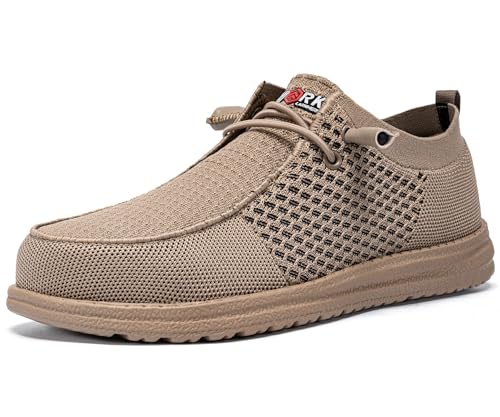
A steel toe work shoe can be a practical choice for warehouses, manufacturing floors, facilities teams, delivery routes, and other jobs where workers cover many indoor steps and a low-cut profile is permitted. Compared with a taller boot, a shoe usually leaves the ankle freer and uses less upper material. That can make quick turns, driving, kneeling, and repeated walking feel more natural, but the shorter upper also provides less coverage from debris, mud, brush, and weather.

Boot height should follow the hazard assessment rather than habit. Uneven ground, deep mud, aggressive debris, hot-work rules, ankle coverage requirements, or outdoor exposure may point toward steel toe boots. Smooth indoor floors and high step counts may favor shoes or steel toe sneakers. The protective cap can meet a comparable toe standard in either silhouette, yet the complete footwear system and the work environment still determine which format is appropriate.

How steel toe shoes should fit

Correct fit begins with clearance from the cap. While standing, walking, turning, crouching, and descending a step, the longest toe should not strike the front and the sides of the forefoot should not press against a rigid edge. At the same time, the heel and midfoot need enough control to prevent sliding inside the shoe. Buying extra length to escape side pressure often moves the shoe's flex point forward and creates heel movement, so a wider last is usually the better comparison when the measured length is already correct.

Measure both feet late in the day and test the larger foot with the socks and any employer-approved insole you will actually wear. A thicker footbed occupies volume and can lift the toes toward the cap. Flexible mesh, leather, and padding may soften with wear, but the steel cap does not stretch. Numbness, sharp pressure, repeated toe contact, or persistent heel slip should be treated as fit problems rather than a normal break-in phase.

Match the outsole and upper to the shift

The right steel toe safety shoe depends on more than cushioning. Smooth concrete rewards a stable walking platform; wet tile, oil, dust, food residue, and outdoor transition zones create different traction problems. Slip-resistant and oil-resistant are not interchangeable descriptions: one concerns traction performance, while the other can describe how sole material resists degradation. No outsole makes a person slip-proof, and tread packed with debris cannot perform like clean, unworn tread.

Upper construction also changes the use case. Breathable athletic materials can suit climate-controlled, high-movement work, while leather or coated uppers may be easier to wipe clean. Waterproof construction can reduce water entry but may hold more heat, and a low collar cannot keep out water that rises above it. Start with the actual floor, contaminants, temperature, cleaning routine, and indoor-outdoor pattern before deciding which material sounds most comfortable.

Use the collections to narrow the field

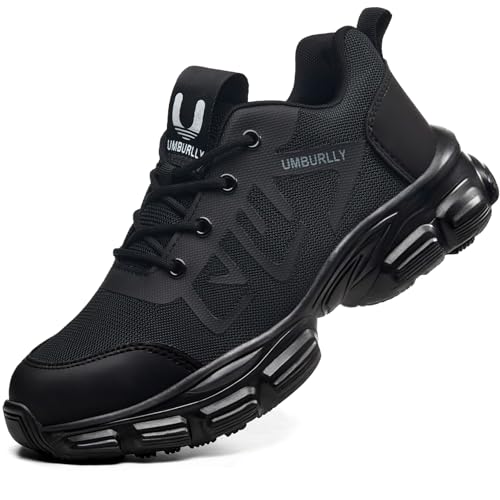
Broad searches for the best steel toe shoes mix together workers with very different needs. Men’s and women’s steel toe shoe collections help separate size systems and last shapes. Steel toe sneakers focus on athletic profiles for mobile work. Slip-on steel toe shoes trade lace adjustment for fast entry, while wide steel toe shoes prioritize usable forefoot volume. Non-slip steel toe shoes concentrate on traction questions for contaminated indoor floors. Each page owns that narrower intent and links back here, so shoppers can move from the main topic to a more useful shortlist.

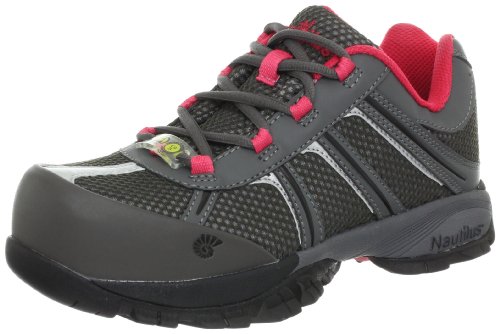
Brand collections work the same way. Skechers, KEEN Utility, Nautilus, Timberland PRO, Wolverine, Thorogood, Ariat, and Carhartt pages contain only currently verified Amazon listings from the catalog sweep. A brand name helps organize choices, but it never transfers one model’s construction or safety claims to another. Use a brand hub to discover exact styles, then return to job, fit, surface, and verified documentation before choosing.

A five-step steel toe shoe checklist

First, write down the employer’s required footwear properties and the surfaces, exposures, and movement in a normal shift. Second, eliminate any listing that does not identify the intended steel-toe variation. Third, choose shoe or boot height based on coverage needs. Fourth, compare the correct length, width, cap geometry, heel hold, outsole, and upper using the exact work sock and approved insert. Fifth, confirm the current label and manufacturer documentation for every required property before wearing the footwear on the job.

Our product cards deliberately omit copied prices because Amazon price and availability change. They preserve the exact ASIN, title, primary image, and site-attributed destination so the shopper can identify the model and check current details on Amazon. The result is a focused discovery path, not a claim that SteelToeShoes.net sells, ships, warranties, certifies, or accepts returns for the footwear shown.

A practical indoor fit check

Try both shoes late in the day with your normal work socks. Walk, turn, crouch, and use stairs on a clean indoor surface. Stop if the toes contact the cap, the heel lifts persistently, or the foot becomes numb. Keep packaging intact until the exact model has passed your fit check and workplace requirements.

Common questions

Steel toe shoes FAQ

Are steel toe shoes as protective as boots?

The toe rating can be comparable, but shoes provide less upper and ankle coverage. The right choice depends on the full hazard assessment.

Are steel toe shoes OSHA approved?

OSHA does not approve individual shoes. Employers select compliant footwear for the hazards present.

The field-guide method

Useful filters before affiliate links.

Every recommendation path starts with workplace hazards and fit. Product claims are tied to the exact model rather than borrowed from a brand name or similar-looking shoe.

Browse all 90 buying guides Read our editorial methodology
  1. Verify the modelSteel toe, style number, image, and Amazon destination must match.
  2. Explain the fitWidth, cap clearance, heel hold, and shift movement come before cushioning claims.
  3. Match the environmentFloor, weather, debris, electrical conditions, and employer rules decide the shortlist.