Wide-boot sizing goes wrong when every discomfort is treated as a single-size problem. Side pressure may require a broader forefoot; top pressure may need more cap height or instep volume; heel lift may mean the last is too generous behind the ball. Adding half a size can move all of those relationships without fixing the original constraint.
A good fit is functional, not merely comfortable while seated. Work boots must control the foot during stairs, slopes, kneeling, and repeated walking while allowing normal toe movement and daily swelling. This method creates a repeatable indoor test and clear rejection signals before the boot is worn outside or made nonreturnable.
Prepare an accurate measurement
Measure in the late afternoon or after a representative period on your feet. Wear the socks planned for work and include an orthotic only if it is approved for use with the boot. Measure both feet for heel-to-toe length and ball width. Fit the larger foot, then note asymmetry rather than averaging the measurements or forcing the larger side into the smaller size.
Use the current manufacturer's chart for the exact model. Mondopoint, US, UK, and EU numbers are not direct shape guarantees, and width letters vary. If ordering remotely, confirm whether the stated size refers to the product label or a marketplace conversion. Favor retailers that permit a clean indoor trial, because measurements narrow the field but cannot describe the full last.
Check the protective cap
Stand with weight on both feet. The longest toe should not touch the cap front, and no toe should rub the top or side. Wiggle room is useful, but excessive length is not. Walk down a ramp or stairs to see whether the foot slides forward. Crouch and kneel to expand the forefoot and expose cap-edge pressure near the big- or little-toe joints.
Reject sharp pressure, tingling, numbness, nail contact, or a cap edge that crosses a prominent joint. The upper may become more pliable, but the cap does not stretch. A boot stretcher should not be used to modify certified protective footwear. Select a different last or width and preserve the flex point at the ball of the foot.
Evaluate heel, instep, and flex
Lace the boot from the bottom with even tension. The heel should remain seated without crushing the instep, and the foot should not rotate inside the boot. On a lace-up, experiment with ordinary lacing patterns only if they maintain secure retention. On a pull-on, the instep and heel pocket must do the work because there is little adjustment after purchase.
The sole should flex where the forefoot bends. A boot that is too long may crease ahead of the toes, while one that is too short can force the joint against the cap. Check the collar and shaft during stairs and kneeling. Mild stiffness may soften, but persistent heel abrasion or loss of control is not a normal break-in requirement.
Account for socks and insoles
Sock thickness changes both warmth and internal volume. Test the pair with the work sock used in the relevant season; do not use an unusually thick sock solely to fill an oversized boot. Moisture-managing socks can reduce friction, but they cannot correct a misaligned cap. Recheck fit if seasonal sock changes are substantial.
A replacement insole or orthotic can lift the foot, reduce toe height, change arch location, and make the heel sit shallower. Use only compatible components and confirm employer or manufacturer guidance. Remove the factory footbed only when it is designed to be removable. Never stack multiple insoles to solve looseness without retesting cap clearance and stability.
Run the final indoor protocol
Try both boots on clean flooring within the seller’s indoor-trial conditions, stopping if discomfort develops. Walk at normal pace, climb stairs, pause on an incline, crouch, kneel, and simulate common foot positions without exposing yourself to hazards. Recheck toes after the feet warm. Inspect for redness, pressure lines, heel rubbing, and differences between sides.
Approve the fit only if the larger foot has cap clearance and the smaller foot remains controlled. Do not rationalize numbness or pain as toughness. If swelling is substantial, new, painful, or one-sided, seek clinical advice rather than repeatedly upsizing. Document the successful model, size, width, sock, and insole combination for future purchases, while remembering manufacturers can revise lasts.
Exact Amazon listings
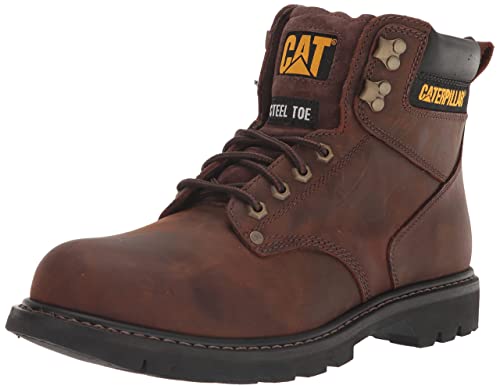
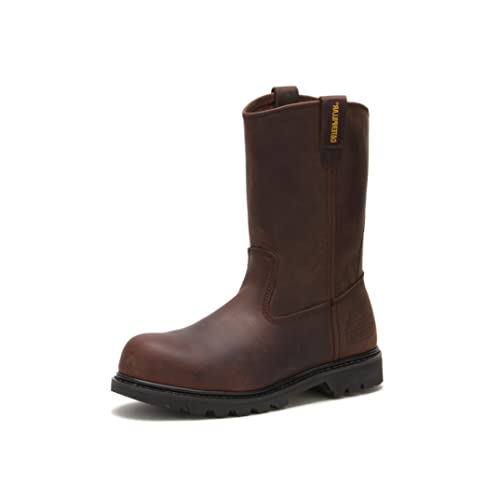
Products to compare for this guide
Affiliate disclosure: As an Amazon Associate, we may earn from qualifying purchases. Product titles, images, ASINs, and destinations are matched to the exact listing; prices and availability remain on Amazon.



Sources and model documentation
Frequently asked questions
Wide Steel Toe Boot Sizing Guide FAQ
How much room should be in front of the toes?
Enough to avoid front contact during downhill walking and daily swelling, but not so much that the flex point shifts or the heel slides. Use the maker's fit guidance and movement test rather than one universal distance.
Should steel toe boots feel tight at first?
The upper can feel firm, but the boot should not cause cap pressure, numbness, sharp pain, or unstable heel movement. Those are fit problems, not productive break-in.
Is wide the same as 2E?
Not universally. Some brands map W to 2E in certain men's models, but labels and dimensions vary. Check the exact manufacturer's chart.
Can I size one foot differently?
Most pairs are sold as one size. Fit the larger foot and use limited, compatible volume adjustment for the smaller side. Large differences may warrant specialist fitting or split-size options where available.
Final verdict
What to do next
Correct wide-boot sizing preserves three things at once: toe clearance inside the rigid cap, heel and midfoot control, and a flex point aligned with the forefoot. More length is not a reliable shortcut to any of them.
Measure carefully, compare the exact last, and use a repeatable indoor movement test. Return pressure or instability instead of hoping protective components will reshape with wear.
Compare Wide Steel Toe Boots