Width names sound like steps on one universal scale, but brands build them around their own lasts. One wide model may add room mainly at the ball, while another widens the heel and raises the instep. Extra-wide can also mean different amounts of added space. The only dependable comparison is on the actual foot in the actual size.
This wide vs. extra-wide steel toe shoes guide separates the width decision from length and volume. It uses pressure location, heel behavior, and flex alignment to show when more width helps and when it merely creates motion. The aim is clear space inside the protective cap without turning the rest of the shoe into an oversized shell.
Why wide vs. extra-wide steel toe shoes vary
A width designation describes a relationship within a maker’s size system, not a guaranteed internal measurement across every brand. Models from one brand can also use different lasts. Cap geometry further limits usable space, so two uppers with similar outside dimensions can feel unlike around the toes.
Use the exact current chart where dimensions are provided, but treat it as a starting filter. Order comparable widths at the same measured length when practical. Testing neighboring widths side by side makes it easier to recognize true pressure relief versus simple overall looseness.
Measure length, forefoot width, and volume separately
Stand in work socks late in the day and measure both feet heel to longest toe and across the broadest forefoot. Length positions the foot; width addresses lateral room. Instep height and overall volume influence lace gap, entry, and heel security but may not appear in a two-dimensional width chart.
A foot can be wide and low-volume, broad only at the toes, or wide through the entire midfoot. These profiles need different lasts even when they share a measurement. Note where ordinary shoes leave pressure marks or excess material, then verify those zones directly inside each safety shoe.
Know when wide is sufficient
A wide size is sufficient when toes spread without meeting the cap sides, the upper lies without hard forefoot tension, and the foot stays centered. Check during standing, crouching, and step-down motion. There should also be no need to loosen laces so much that the midfoot loses guidance.
More width is not automatically more comfortable. If the wide shoe clears the cap and remains stable for a timed trial, extra-wide may add unnecessary rear or midfoot space. Choose the narrowest geometry that provides full functional clearance without compression, not the largest label available.
Know when extra-wide is useful
Compare extra-wide when a correctly measured wide still makes hard side contact, constrains natural toe spread, or creates excessive upper pressure at the broadest point. Vertical roof pressure might also improve in a higher-volume last, though added width and added depth are not synonymous.
After gaining room, repeat the heel and flex tests. Walk briskly, make tight turns, and rise onto the forefoot. If the rear now lifts or the crease shifts, the extra-wide version may distribute volume too broadly. Another brand’s wide last could fit more precisely than this brand’s extra-wide.
Use movement to reveal excess width
A shoe can feel pleasantly roomy while seated yet allow side drift during turns. Watch whether the heel stays centered and whether the forefoot slides across the footbed. Tightening laces until the eyelet rows collapse together suggests that the upper volume exceeds what the foot can use.
Forward sliding is another clue. Added volume around the instep can reduce retention and let toes meet the cap during stops or descents. Test the hardest routine movements for at least twenty minutes, because repeated motion reveals instability that a short straight walk may miss.
Record the winning last, not just the width code
When a pair passes, record brand, model, ASIN, size, width, sock, and footbed. A note that simply says extra-wide is not portable to another construction. Treat every future model as a new fit decision, even if the same manufacturer uses familiar letters.
Reassess if work socks change or a compatible insole is replaced, because those components consume internal volume. Also verify job-specific features on the exact item. Width solves shape; it does not establish the model’s suitability for a floor, exposure, or employer rule.
Exact Amazon listings
Products to compare for this guide
Affiliate disclosure: As an Amazon Associate, we may earn from qualifying purchases. Product titles, images, ASINs, and destinations are matched to the exact listing; prices and availability remain on Amazon.


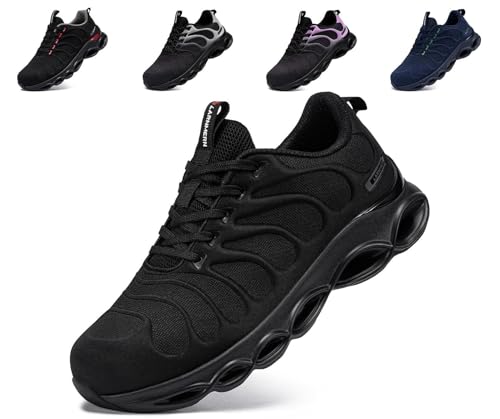
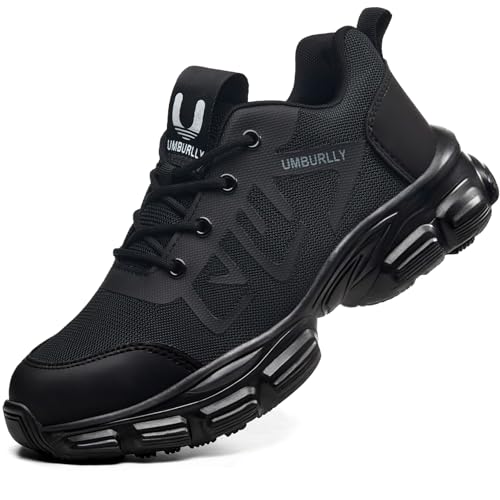

Unspecified brand
Steel Toe Shoes for Men Women Wide Non Slip Work Shoes Steel Toe Sneakers
ASIN B0B7W42DMM
View on Amazon
Frequently asked questions
Wide vs. Extra-Wide Steel Toe Shoes FAQ
How much wider is extra-wide than wide?
There is no single cross-brand amount. The difference and where it is added depend on the manufacturer, size, model, last, and cap geometry.
Is extra-wide better for a wide toe box?
Only if it adds room at the forefoot without making the heel and midfoot unstable. Another model’s wide last may provide a more targeted shape.
Can I use length instead of extra width?
Extra length can move pressure but may misalign the flex point and increase sliding. Compare the correct length in appropriate widths and alternate lasts first.
What if one foot needs extra-wide and the other does not?
Fit the wider foot for safe cap clearance, then evaluate whether the other remains stable. Minor compatible adjustments may help, but large differences may require testing other lasts.
Final verdict
What to do next
The choice between wide vs. extra-wide steel toe shoes is settled by functional clearance and control, not by preferring the roomiest label. Wide wins when it clears the cap and holds the foot; extra-wide earns its place only when it relieves remaining pressure without causing drift.
Record the exact successful configuration. Width language varies too much to carry conclusions from one model to the next without a fresh movement test.
Compare Wide Steel Toe Shoes