A wide label is useful only when its extra space appears where the foot needs it. Some wide safety shoes enlarge the forefoot; others add volume through the instep and heel as well. A worker with broad toes and a narrow rear can therefore experience cap relief in one model but heel instability in another carrying the same width designation.
Choosing the best wide steel toe shoes means moving beyond the label to test the last. The cap itself will not stretch, and longer footwear is not a reliable substitute for width. This guide helps identify side pressure, vertical crowding, misplaced flex, and excess rear volume, then connects those observations to warehouse, shop, and mixed-surface work.
How to compare the best wide steel toe shoes
Start with standing measurements for both feet taken late in the day in work socks. Record length and the broadest forefoot width, then use the exact maker chart to identify a starting size. If a foot is high-volume rather than simply broad, note the instep because width codes do not always communicate vertical space.
Try standard, wide, or extra-wide versions at the same correct length when available. Observe which pressure changes and which new movement appears. The strongest option clears the cap and lets the forefoot spread while the heel remains centered, the midfoot stays controlled, and the bend aligns with the ball of the foot.
Distinguish a wide forefoot from a long shoe
Side contact at the little-toe joint or a hard cap edge usually calls for more usable width or a rounder last. Moving up in length may place that edge farther away, but it also moves the flex point and creates room for forward sliding. The shoe can look roomy yet work poorly when walking speed increases.
Check length by stepping down and stopping. The longest toe must avoid the cap front, but the heel should not release and the foot should not surge. Then rise onto the forefoot; a crease ahead of the ball suggests that extra length is not doing useful work. Return to the measured length and compare shape.
Map width under the rigid cap
External mesh or leather can make a shoe appear broad even when the internal cap narrows. Press lightly through the upper to find the cap boundaries, stand with toes relaxed, and test the outside, inside, and roof. Repeat during a crouch because forefeet spread and rise under load.
Hard contact will not disappear through conventional break-in. If width is adequate but the roof presses, investigate vertical volume and insole thickness. If one side catches while the other has ample room, try both feet in alternate lasts rather than accepting pain on the wider foot or uncontrolled looseness on the smaller one.
Preserve heel hold in wide-fit work footwear
Some wide constructions increase space from front to back, which can free the toes and release the heel simultaneously. Test brisk walking, stairs, and a figure eight. The rear should follow the foot without recurring lift or sideways motion. Excess heel travel can cause friction and send toes toward the cap.
Lacing can tune a close fit but cannot fully reshape a high-volume heel pocket. If strong tension across the instep is required to stop lift, compare a last that concentrates width forward. Slip-on wide shoes have even less adjustability, so their instep and heel geometry must be particularly compatible from the start.
Account for work socks and compatible footbeds
Measure and test with the sock system used during the shift. Thick socks may consume the width gained and increase top pressure, while very thin socks can expose rear looseness. Seasonal changes deserve a second trial rather than an assumption that one setting will cover every combination.
A removable footbed may offer options, but replacement inserts are not dimension-free. Added thickness raises the foot toward the cap, can tighten the instep, and changes heel position. Use only a compatible option and repeat every clearance and movement test before deciding the shoe still fits.
Select wide steel toe shoes by job context
High-step indoor work rewards a heel that remains controlled through turns and a flex point that follows the forefoot. Standing tasks reveal edge pressure and unstable platforms. Delivery and mixed-surface routes add downhill movement, where excess length or loose heels can drive toes forward. Replicate the dominant task during the fitting.
Width does not establish any other workplace property. Confirm the exact product’s current details and employer requirements independently, and keep ASIN-specific information attached to the exact variant. A thirty-minute clean indoor trial should end with the same toe clearance and rear control it began with.
Exact Amazon listings
Products to compare for this guide
Affiliate disclosure: As an Amazon Associate, we may earn from qualifying purchases. Product titles, images, ASINs, and destinations are matched to the exact listing; prices and availability remain on Amazon.

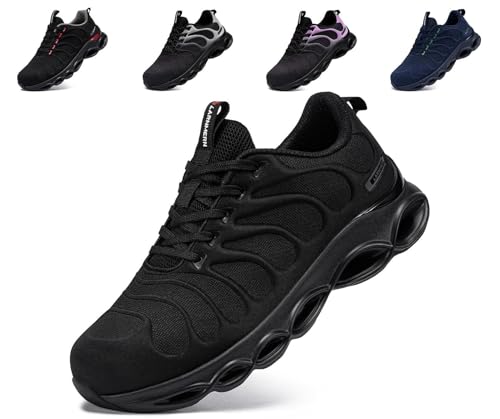
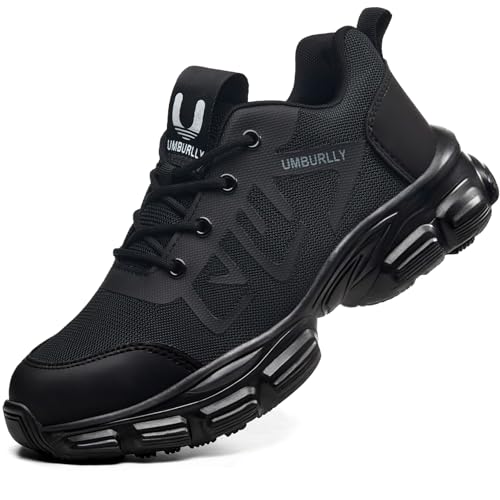


Unspecified brand
Steel Toe Shoes for Men Women Wide Non Slip Work Shoes Steel Toe Sneakers
ASIN B0B7W42DMM
View on AmazonFrequently asked questions
Best Wide Steel Toe Shoes FAQ
Should wide feet size up in steel toe shoes?
Usually compare a wider or differently shaped last at the measured length first. Extra length can misalign the flex point, increase heel slip, and permit forward motion.
Will a steel toe cap stretch wider?
No. The upper may soften, but a hard cap boundary does not expand around the foot. Persistent side or top contact requires different internal geometry.
Why do wide shoes fit my toes but slip at the heel?
That model may distribute extra space throughout the shoe. Look for a last that adds forefoot room while retaining a shaped, lower-volume heel.
Can a new insole reduce width?
Yes. A thicker or more contoured footbed occupies space and raises the foot within the shoe. Retest cap height, instep pressure, and heel hold after any change.
Final verdict
What to do next
The best wide steel toe shoes put room under and behind the cap while keeping length, flex, and heel control intact. A width code begins the search, but the movement test proves whether the added volume is usable.
Favor the last that solves the actual pressure direction without creating a new instability. The ideal wide fit feels spacious only where needed and secure everywhere that guides the foot.
Compare Wide Steel Toe Shoes