Searches for the best steel toe shoes for flat feet often collapse two separate questions: does the shoe fit a broader or higher-volume foot, and does its platform feel stable for the wearer’s shift? Foot shape varies widely, so no arch profile identifies one universal shoe. Some people need more forefoot room; others mainly need a controlled heel or space for an approved insert.
Flat feet often cause no problems and do not automatically require treatment. This guide focuses on cap clearance, width distribution, heel hold, flex location, and the effects of changing a footbed. It also shows how standing, walking, and mixed-task jobs place different demands on fit. Persistent pain or a condition-specific question belongs with a qualified professional, not a product slogan.
Choose the best steel toe shoes for flat feet by shape
Measure both feet late in the day with work socks, recording length and forefoot width. Also notice instep volume and whether the heel is relatively narrow. A low arch does not automatically mean every part of the foot is wide, so an all-over roomy shoe may relieve one zone while creating heel movement elsewhere.
Start with the correct length, then compare standard, wide, and extra-wide lasts as needed. The goal is natural forefoot spread without contact against the cap, paired with a heel that stays centered. Brand or model labels such as supportive should never replace this direct geometry test.
Prioritize cap clearance over added cushioning
Stand until the foot settles, then check the cap front, sides, and roof. Repeat in a crouch and controlled step down. A soft footbed may feel inviting, but it cannot cancel a hard cap edge. Pressure from the rigid shell is a reason to compare width, depth, or last shape.
Avoid solving side pressure with extra length. A too-long shoe can bend ahead of the foot and let the heel lift, making the platform feel less stable. If the widest forefoot point is crowded while toe length is adequate, test a wider model at the same length first.
Look for a stable heel and midfoot
Walk normally and make comfortable turns on a clear surface. The heel should follow the shoe rather than move vertically or side to side. Laces can tune midfoot contact, but they should not need to be pulled painfully tight. Excess material bunching under the lace rows points to a volume mismatch.
Stability is not the same as stiffness. The shoe should bend near the ball of the foot and track predictably without forcing a changed gait. Compare the on-foot behavior over time; a calm platform may be more useful than an extremely soft one that permits unwanted motion.
Evaluate removable footbeds carefully
A removable footbed can make cleaning, replacement, or an employer-compatible insert easier, but the available internal space remains fixed. A thicker or differently contoured replacement can change foot position. That can bring toes closer to the cap roof, tighten the instep, and change how the heel meets the collar.
Test the complete intended setup while the shoe is returnable. Ask the footwear manufacturer whether the proposed insert affects protection, then confirm workplace acceptance and repeat the fit checks with that configuration. Do not stack footbeds unless the footwear and insert guidance explicitly permits the configuration.
Match platform feel to the job pattern
Long standing periods make edge pressure and gradual volume changes noticeable. High-mileage warehouse work exposes heel drift and flex misalignment. Delivery routes add stairs and descents, where a loose foot can slide toward the cap. Run the movements that dominate the actual shift rather than relying on a few steps in a straight line.
Outsole, upper, and workplace requirements remain model-specific. A wide athletic profile can suit some indoor work but may not provide the coverage or materials needed elsewhere. Confirm all relevant job details on the exact product and through employer guidance after the fit short list is established.
Use a timed comparison and objective notes
Try finalists indoors for equal periods late in the day. Note cap contact, heel movement, instep tension, flex location, and any need to adjust laces. A simple checklist prevents the softest first impression from outweighing a fit conflict that emerges after twenty minutes.
If discomfort persists despite trying appropriate sizes and lasts, pause the product search and seek individualized guidance rather than expecting a shoe to correct a health concern. For footwear selection, the practical winner is the pair that remains comfortable and controlled through work-like motion without promising a therapeutic result.
Exact Amazon listings
Products to compare for this guide
Affiliate disclosure: As an Amazon Associate, we may earn from qualifying purchases. Product titles, images, ASINs, and destinations are matched to the exact listing; prices and availability remain on Amazon.

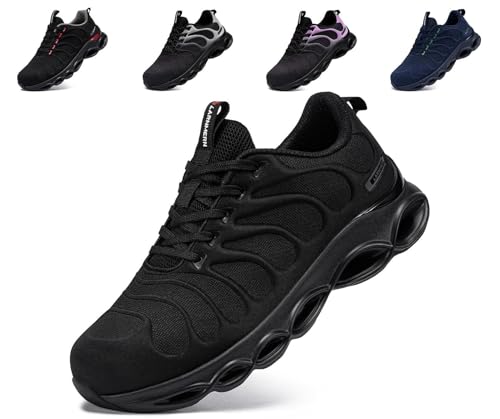
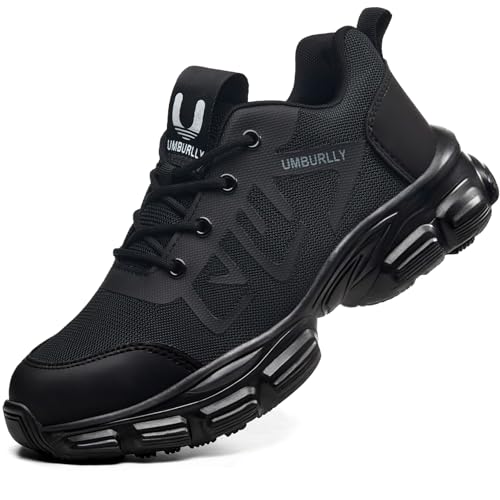

Sources and model documentation
Frequently asked questions
Best Steel Toe Shoes for Flat Feet FAQ
Do flat feet always need wide steel toe shoes?
No. Width, heel volume, instep height, and foot shape vary independently. Measure and test the actual pressure points rather than choosing width from arch profile alone.
Are softer work shoes better for low arches?
Not automatically. Individual comfort also depends on stable heel control, aligned flex, cap clearance, and job movement. Compare the complete shoe over a timed trial.
Can I replace the factory insole?
Check with the footwear manufacturer before changing the insole, including whether the substitution affects protection. Employer acceptance and comfortable fit are also necessary; added thickness can reduce cap clearance.
Can steel toe shoes fix foot pain?
Footwear can be selected for fit and individual comfort, but it should not be presented as treatment. Persistent pain or condition-specific needs warrant advice from a qualified professional.
Final verdict
What to do next
The best steel toe shoes for flat feet are not defined by a therapeutic label. They are the pairs that provide appropriate width, quiet heel control, aligned flex, and enough vertical space for the intended footbed while keeping toes clear of the cap.
Use objective indoor trials and job-specific movement to choose. If a concern goes beyond footwear fit, separate that question from shopping and get individualized professional guidance.
Compare Wide Steel Toe Shoes