Choosing the best waterproof steel toe boots means solving two separate needs: a protective cap and construction intended to exclude external water. One claim does not establish the other, and a treated leather upper should not be promoted as waterproof without exact-model support. Start by describing the exposure—brief rain, wet grass, repeated puddles, mud, or standing water below the opening—then choose a construction and height around it.
The catalog contains waterproof leather lace-ups, hikers, Wellington boots, and molded PVC options. Their titles provide a useful first verification boundary, but they do not establish how long feet remain dry in every condition. Fit, collar height, wear, maintenance, and water depth all influence real use. Confirm current manufacturer documentation before relying on a pair for workplace hazards.
Best waterproof steel toe boots by exposure
For walking through changing indoor and outdoor areas, consider titled waterproof lace-ups such as the KEEN Utility Pittsburgh or Lansing. For a laceless trade profile, the Wolverine Carlsbad title identifies a waterproof Wellington. The DUNLOP Chesapeake title describes PVC waterproof work boots. These are construction categories to compare—not proof that every style performs identically in deep water, prolonged exposure, or chemical contact.
Separate waterproof from water-resistant
Waterproof describes a stronger water-exclusion claim than water-resistant. Surface treatments can help water bead or slow absorption, but they do not add a membrane, sealed seams, or a molded shell. Do not move a “waterproof” label from one model to a similar-looking sibling. Every featured ASIN here has waterproof wording in its exact Amazon title; ongoing condition and care still matter.
Use shaft height as an exposure ceiling
A six-inch waterproof boot may suit shallow puddles and rain while offering easier ankle movement than a tall rain boot. A Wellington or taller PVC shaft increases the height before water reaches the opening, but kneeling, splash direction, and gait can lower the practical margin. No open-top boot prevents water from entering above its collar, so match height to realistic depth rather than idealized conditions.
Fit wet-weather boots with the real sock system
Waterproof layers can change heat and internal feel, while molded pull-ons provide less adjustment than lace-ups. Try the boots with the socks intended for that season. Toes must clear the steel cap and the heel must remain controlled. A thick sock can reduce movement in a Wellington, but it cannot correct excess length and may crowd the cap or retain more moisture.
Evaluate outsole and workplace compatibility separately
Wet ground increases the importance of tread, but waterproof does not mean slip-proof. The Thorogood 1957 title names a slip-resistant wedge outsole; that claim belongs to that exact listing and still does not guarantee grip on every contaminant. Molded PVC may suit some wet settings but not every material exposure. Check employer guidance, exact-model outsole evidence, and any chemical-compatibility information required by the site.
Plan drying and inspection before buying
Moisture can enter over the top or accumulate from sweat even when the exterior construction excludes water. Choose a boot that can be dried according to its maker’s instructions between shifts. Inspect flex areas, seams, the upper, and collar regularly; damage can compromise water exclusion. Avoid direct heat, which can harm leather, membranes, adhesives, and molded components.
When wet work changes during the shift
Map the deepest routine water exposure alongside the longest walking segment. A tall molded boot may offer more margin before water reaches the opening, while a lower lace-up may offer more fit adjustment for dry portions of the route. Neither feature settles traction or chemical compatibility.
If the work changes from shallow rain exposure to prolonged standing water, revisit the footwear requirement rather than relying on the original purchase category. Allow enough drying time between shifts and keep the manufacturer’s cleaning instructions available.
Exact Amazon listings
Products to compare for this guide
Affiliate disclosure: As an Amazon Associate, we may earn from qualifying purchases. Product titles, images, ASINs, and destinations are matched to the exact listing; prices and availability remain on Amazon.


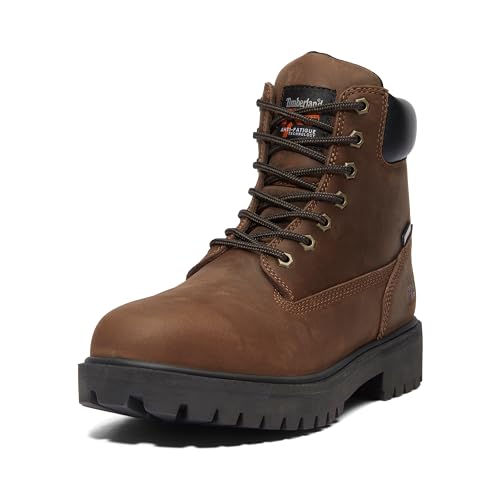
KEEN Utility
KEEN Utility Men's Pittsburgh 6" Leather Waterproof Steel Toe Work Boots
ASIN B004LE7XP6
View on Amazon


Sources and model documentation
Frequently asked questions
Best Waterproof Steel Toe Boots FAQ
Are all leather steel toe boots waterproof?
No. Leather may resist brief moisture, but waterproof construction must be confirmed on the exact model. Water-resistant and waterproof should not be used interchangeably.
Can waterproof steel toe boots be used in standing water?
Only within the limits of the exact construction and while water stays below the opening. Depth, duration, damage, and workplace compatibility all matter.
Are waterproof work boots hotter?
They can retain more warmth and moisture than more ventilated designs. Sock choice, activity, climate, and construction affect the experience.
Do waterproof steel toe boots need maintenance?
Yes. Clean them appropriately, inspect damage, follow material-specific care, and dry them away from damaging direct heat after use.
Final verdict
What to do next
Pick the best waterproof steel toe boots by aligning an explicit model-level waterproof claim with exposure depth, shaft height, walking demands, and workplace rules. Then confirm toe clearance and heel control with seasonal socks. A waterproof label is the start of the decision, not permission to ignore the collar, outsole, maintenance, or separate safety features.
Compare Waterproof Steel Toe Boots