Searches for how to waterproof steel toe boots often assume that a spray, wax, or conditioner can transform any boot. That overstates what surface care can do. Factory waterproof construction and aftercare are different things. A treatment may support water beading or slow absorption on a compatible upper; it cannot rebuild the boot around a waterproof barrier that was never present.
Begin with the exact model and material. Leather, fabric, membranes, seam constructions, and molded PVC require different care, and an incompatible product can change appearance or damage components. The featured catalog models all use waterproof wording in their titles, but their maintenance directions still need to come from the manufacturer rather than from one universal recipe.
How to waterproof steel toe boots: identify construction
Check the label and current product guidance. The KEEN Utility Pittsburgh and Lansing are titled as waterproof leather or waterproof work boots; the DUNLOP Chesapeake is titled as a PVC waterproof boot; the Wolverine Carlsbad uses a waterproof Wellington description. These constructions should not receive the same treatment. If the exact model says only water-resistant, retain that language after care.
Clean without forcing water into the boot
Remove loose soil with a suitable soft brush or cloth. Follow the maker’s instructions for deeper cleaning and avoid flooding openings or saturating materials unnecessarily. Debris left along flex lines and seams can interfere with inspection. Clean the outsole too, but remember that restored tread visibility does not create a guarantee against slipping on wet or contaminated surfaces.
Dry slowly before applying care products
Let the boot dry as directed in a ventilated place away from direct heaters, fires, and intense sunlight. Remove a footbed only if the design and guidance allow it. High heat can harm leather, membranes, adhesives, and molded parts. Applying a treatment over trapped dirt or moisture can produce uneven results and makes it harder to inspect cracks or separation.
Use only a compatible treatment
Choose a product approved for the exact upper and any waterproof system. Spot-test where appearance changes will be less visible, then follow the stated amount, application method, ventilation, and curing time. More product is not automatically better. After treatment, continue using the boot within its manufacturer-stated limits; surface water beading does not establish waterproof performance.
Inspect seams, flex points, and the collar
Care cannot repair a puncture, split, separating sole, or damaged waterproof component. Pay attention to repeated flex zones and junctions between upper and sole. The collar is not a defect, but it is an unavoidable opening: water above it can enter regardless of treatment. Select shaft height around exposure instead of trying to coat beyond the boot’s physical limit.
Maintain on condition, not a rigid calendar
Frequency depends on material, use, cleaning, climate, and maker guidance. Inspect after meaningful wet exposure and when surface behavior changes rather than applying layers automatically. Between shifts, allow internal moisture to escape. If waterproof performance appears compromised, clean and inspect the pair, review warranty or repair guidance, and replace it when damage cannot be safely addressed.
Document the care routine for repeatable results
Keep the boot’s model information, material instructions, and approved care-product directions together. Note the cleaning method, application date, appearance changes, and any damage found during inspection. This is especially useful when several workers, rotating pairs, or seasonal products are involved. Do not use a successful treatment on one leather boot as permission to apply it to a membrane, fabric panel, elastic gore, or molded PVC pair. Before each wet assignment, check that the collar, seams, flex areas, and sole junction remain sound. A repeatable record supports maintenance decisions without turning anecdotal water beading into a stronger product claim.
- Retire or professionally assess a pair when punctures, separation, or cracks cannot be addressed under the maker’s guidance.
- Keep treatment containers and drying equipment away from ignition sources and follow every product ventilation direction.
- Never test water exclusion in a way that conflicts with workplace rules or deliberately floods the boot above its opening.
Exact Amazon listings
Products to compare for this guide
Affiliate disclosure: As an Amazon Associate, we may earn from qualifying purchases. Product titles, images, ASINs, and destinations are matched to the exact listing; prices and availability remain on Amazon.


KEEN Utility
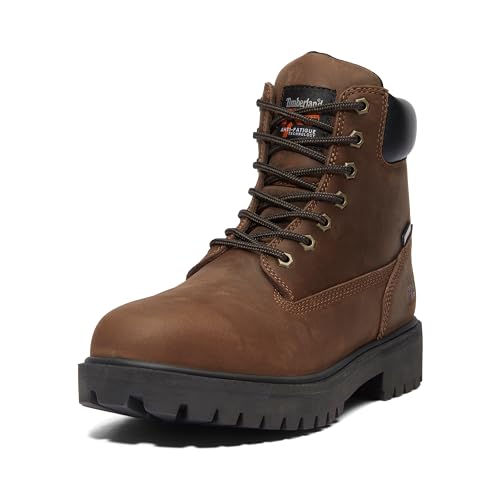
KEEN Utility Men's Pittsburgh 6" Leather Waterproof Steel Toe Work Boots
ASIN B004LE7XP6
View on Amazon


Sources and model documentation
Frequently asked questions
How to Waterproof Steel Toe Boots FAQ
Can I make ordinary leather steel toe boots waterproof?
You may improve water resistance with compatible care, but you cannot add factory sealed construction or a waterproof membrane. Describe the result cautiously.
Should waterproof steel toe boots still be treated?
Possibly, depending on the exact material and manufacturer guidance. Some treatments maintain the upper, while incompatible products can cause harm or alter appearance.
Can I dry wet work boots beside a heater?
Avoid direct heat. It can damage leather, adhesives, membranes, and molded components. Use the maker’s recommended room-temperature drying method.
Does conditioning leather waterproof it?
Not necessarily. Conditioning and waterproofing are different care goals, and a conditioner cannot create sealed waterproof construction. Verify product compatibility and claims.
Final verdict
What to do next
The honest method for waterproofing steel toe boots is maintenance, not transformation: identify the build, clean and dry it safely, use only compatible treatment, and inspect damage. Preserve the distinction between waterproof and water-resistant, and never rely on surface care to overcome a low collar, failed seam, puncture, or missing waterproof assembly.
Compare Waterproof Steel Toe Boots