KEEN Utility steel toe sizing varies with more than length. This catalog includes low shoes, six-inch or mid-height boots, medium-coded variants, and explicit EE listings. Each changes the relationship among heel, instep, forefoot, and protective cap. A person who fits a Lansing Low cannot safely assume the same labeled size will feel identical in a Pittsburgh or Lansing Mid.
The goal is functional clearance without uncontrolled movement. Toes need room when the foot lengthens and slides slightly during a stride, while the heel and midfoot must keep the foot from repeatedly striking the cap. Measure and test consistently, and treat upper break-in separately from rigid cap geometry. A cap that presses today will not stretch into a better shape later.
Start KEEN Utility steel toe sizing with measurements
Measure standing length and forefoot width on both feet after normal activity. Use the larger measurements with the current chart for the exact model. Note sock thickness and whether an employer-approved orthotic or replacement footbed will be used. Size labels alone cannot describe instep height, heel volume, or toe splay. Recheck measurements periodically, especially if an old work-shoe size has become the only basis for repeat purchases.
Low-shoe fit: Flint and Lansing Low
A low work shoe should hold the heel through brisk walking and turns without rubbing the collar. Check that the widest part of the foot aligns with the shoe's flex area and that toe joints do not sit beneath the cap edge. One Lansing Low listing explicitly says EE wide; compare it when medium length is correct but the forefoot is compressed. If the wide heel becomes sloppy, a different model shape may be preferable.
Boot fit: Pittsburgh and Lansing Mid
Boots add shaft and ankle considerations. Lace from the lower eyelets upward so the foot seats at the heel without crushing the instep. Walk on an incline, use a step, and crouch to detect forward slide and shaft pressure. Waterproof-titled variants may feel different from low shoes, but the catalog does not provide a universal volume rule. Fit the exact boot with the actual sock system and trouser arrangement used on shift.
How to judge toe-cap clearance
Do not rely only on pressing the front with a thumb, because the rigid cap and upper make that test imprecise. Instead, observe the foot during movement. Toes should not hit the front while descending, and the cap edge should not press during a crouch. The foot should remain centered rather than sliding side to side. Excess length can misalign the flex point, so a wider last or different model often solves lateral pressure more cleanly.
What can and cannot break in
Leather or textile uppers may soften, collars may become less stiff, and footbeds can compress. The steel cap does not expand. Short, clean indoor wear can reveal whether ordinary upper stiffness is settling, but numbness, sharp pressure, blistering, or repeated impact against the cap should not be normalized. Preserve return eligibility until the pair passes work-like movements and remains comfortable for progressively longer indoor sessions.
Insoles, socks, and lacing changes
A thicker sock takes volume from the toe box; a thinner sock can reduce cushioning or heel hold. A replacement insole can raise the foot closer to the cap and change heel position. Make one change at a time, then repeat every fit check. Lacing can fine-tune instep hold and heel seating, but it cannot correct a cap that is too short or narrow. Follow workplace rules for alterations and never modify the protective structure.
Keep the original configuration available during the return period and document each adjustment. Testing several changes at once makes it impossible to identify what improved or harmed fit. If only an extreme lacing pattern or unusually thick insert can hold the heel, the underlying last is probably a mismatch. A clean model change is usually more predictable than stacking compensations inside protective footwear.
Exact Amazon listings
Products to compare for this guide
Affiliate disclosure: As an Amazon Associate, we may earn from qualifying purchases. Product titles, images, ASINs, and destinations are matched to the exact listing; prices and availability remain on Amazon.

KEEN Utility
KEEN Utility Men's Pittsburgh 6" Leather Waterproof Steel Toe Work Boots
ASIN B004LE7XP6
View on Amazon

KEEN Utility
KEEN Utility Lansing Mid Waterproof Steel Toe Raven/Tawny Olive 12 D (M)
ASIN B01N21HTJJ
View on Amazon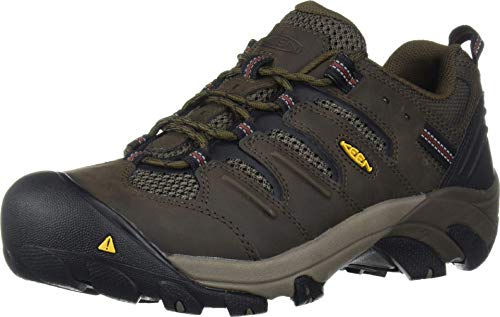
KEEN Utility
KEEN Utility Lansing Low (Steel Toe) Cascade Brown/Fired Brick 10 EE - Wide
ASIN B07RSXSX6J
View on Amazon
KEEN Utility
KEEN Utility Lansing Low (Steel Toe) Magnet/Majolica Blue 11 D (M)
ASIN B07RSY3J76
View on Amazon
KEEN Utility
KEEN Utility Men's Lansing Mid Height Steel Toe Waterproof Work Boots, Dark Olive/Black, 10 EE
ASIN B0DQM32TZL
View on AmazonFrequently asked questions
KEEN Utility Steel Toe Sizing Guide FAQ
Should I size up in KEEN Utility steel toes?
Not automatically. Start from current measurements and the model chart. If length is correct but the sides press, compare an available wider width or another last before adding length.
Is KEEN EE the same across every model?
A width code is a useful starting point, not proof of identical internal shape. Flint, Lansing, and Pittsburgh models can differ in heel, instep, flex, and cap geometry.
How should a KEEN steel toe boot fit at the heel?
The heel should remain controlled during walking and stairs without painful pressure. Excess lift that drives the foot forward or creates friction is a reason to adjust lacing or compare another size or model.
Can I add an orthotic to KEEN steel toes?
Only if it is appropriate and permitted for your workplace setup. Because it changes internal volume and foot height, reinstall it during fitting and repeat toe-clearance and heel-hold checks.
Final verdict
What to do next
Successful KEEN Utility steel toe sizing comes from matching a specific last to both feet, not following a blanket size-up rule. Measure, use exact width codes, and compare low shoes separately from boots. Test the complete work setup through walking, inclines, stairs, and crouching. If the rigid cap touches or the heel cannot be controlled, change width or model while the return window is open.
Compare KEEN Utility Steel Toe Shoes & Boots